©
An encounter with the Maohi
25 November 2025
Polynesia is a treasure trove of a destination–one that extends well beyond its picture-perfect, white sandy beaches and turquoise lagoons. The fascinating ancestral culture that thrives here is revealed through every Relais & Châteaux property across the region.
6 min

Under the watchful eye of sacred statues
LE NUKU HIVA BY PEARL RESORTS, Nuku Hiva, French Polynesia
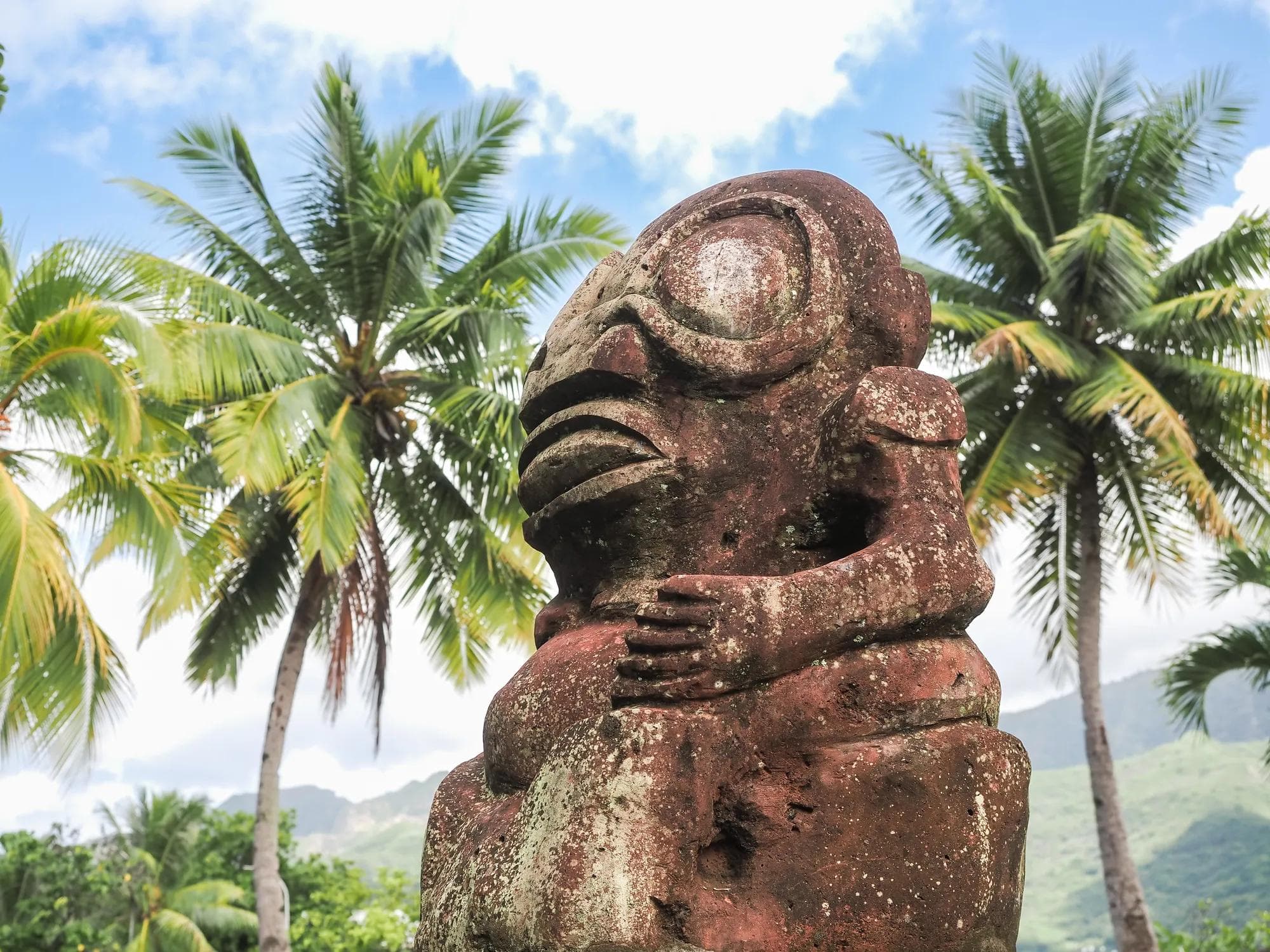
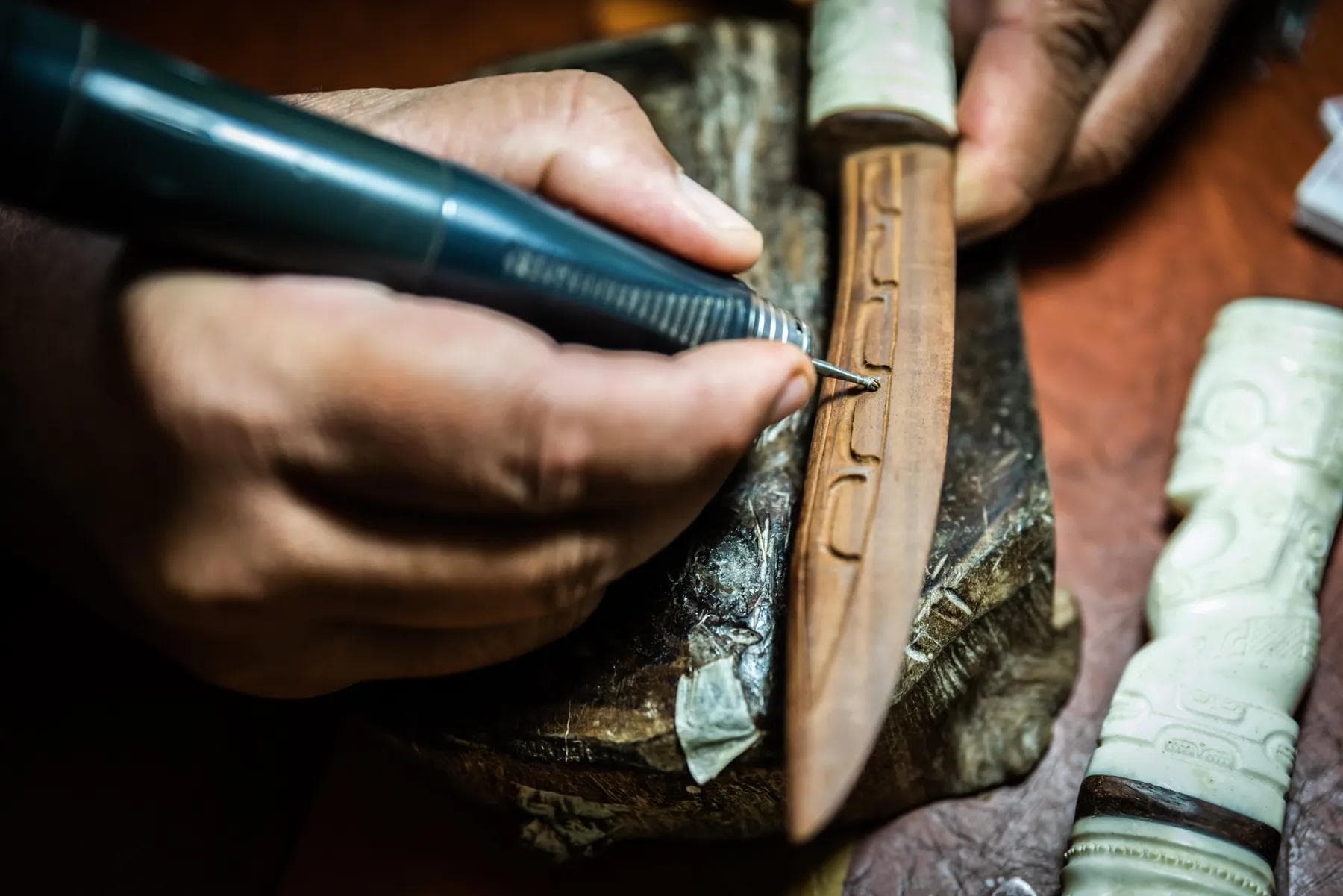
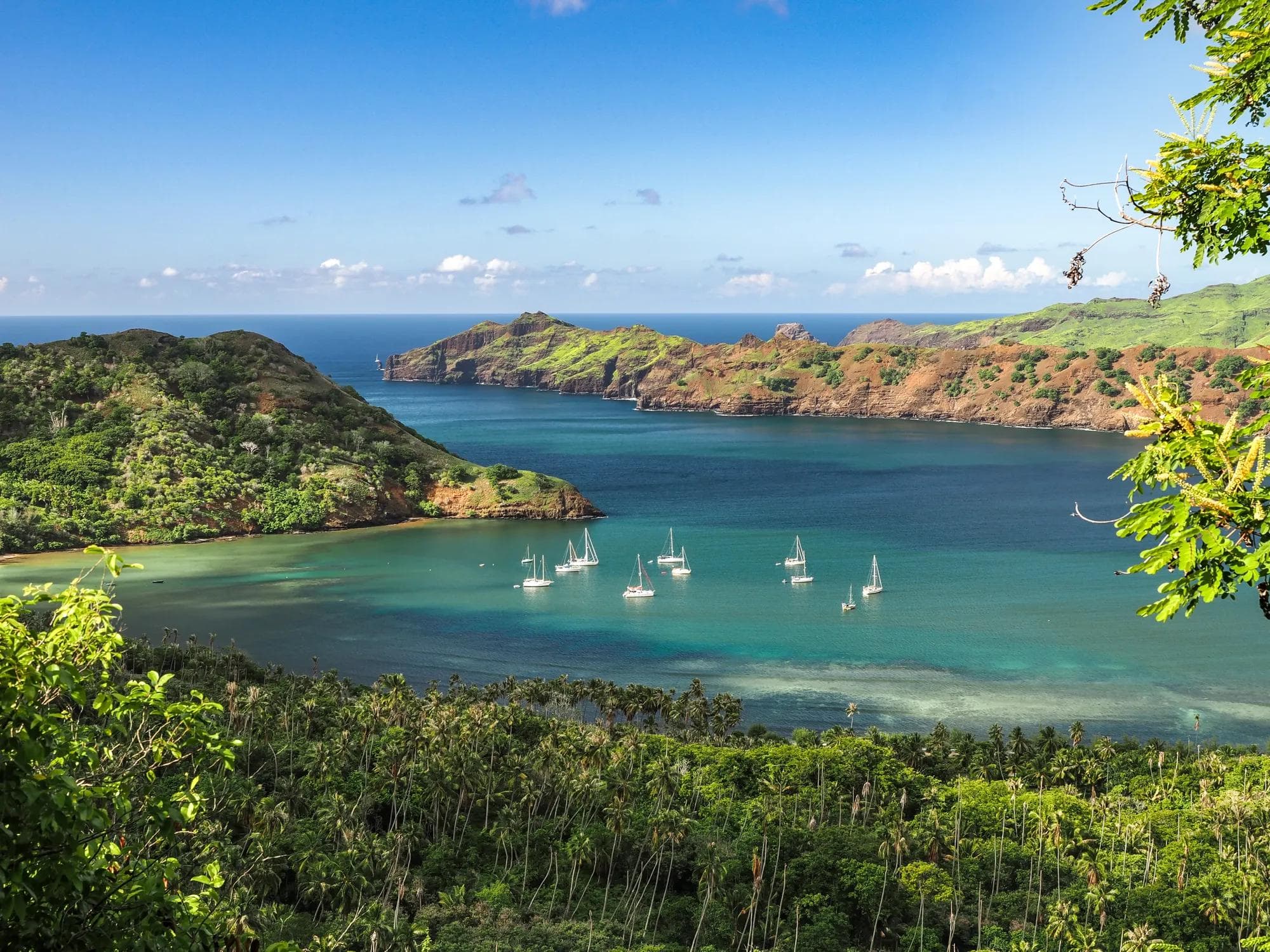
At the edge of the Marquesas Archipelago, on Nuku Hiva, its northernmost island, Le Nuku Hiva hotel blends seamlessly with its lush surroundings. Its 20 or so bungalows, built with local materials, nestle within the vegetation, protected by several tikis. These red basalt statues represent primordial figures at the very origin of humanity. Legend has it that the god Tiki created a human being because he was lonely and yearning for companionship. Three days later, the woman Hinatunaone appeared. Tikis therefore symbolize both creation and fertility. They are also guardians of sacred sites, such as the me’ae (the Marquesan term for ceremonial platforms, often called “marae” in Tahiti), where ancient religious ceremonies were held. At Le Nuku Hiva by Pearl Resorts, located on Taiohae Bay, guests can learn woodcarving in the purest Marquesan heritage. These are customs and traditions that Relais & Châteaux is committed to respecting and sharing.
Weave like a free woman
LE BORA BORA BY PEARL RESORTS, Vaitape, French Polynesia
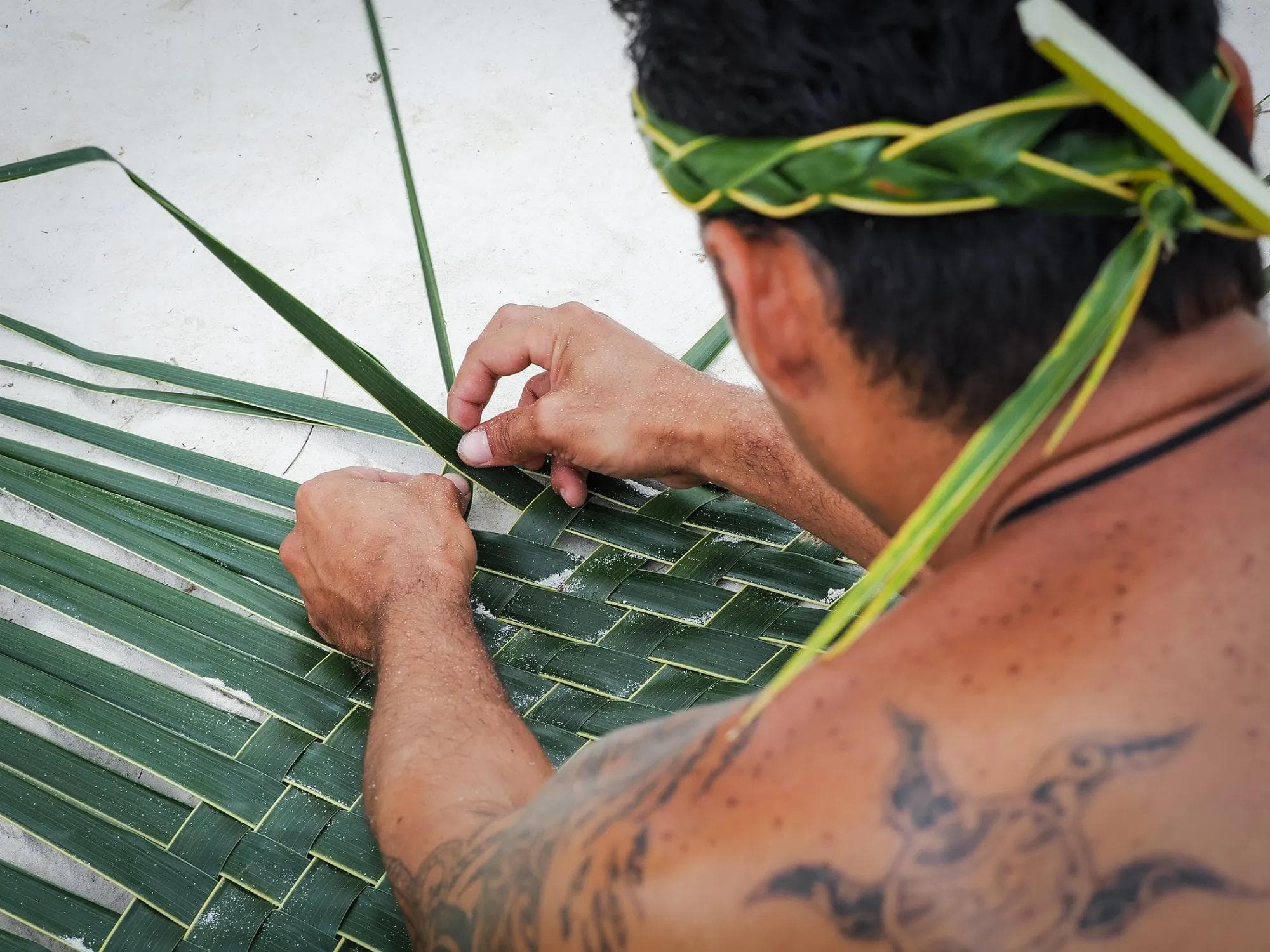
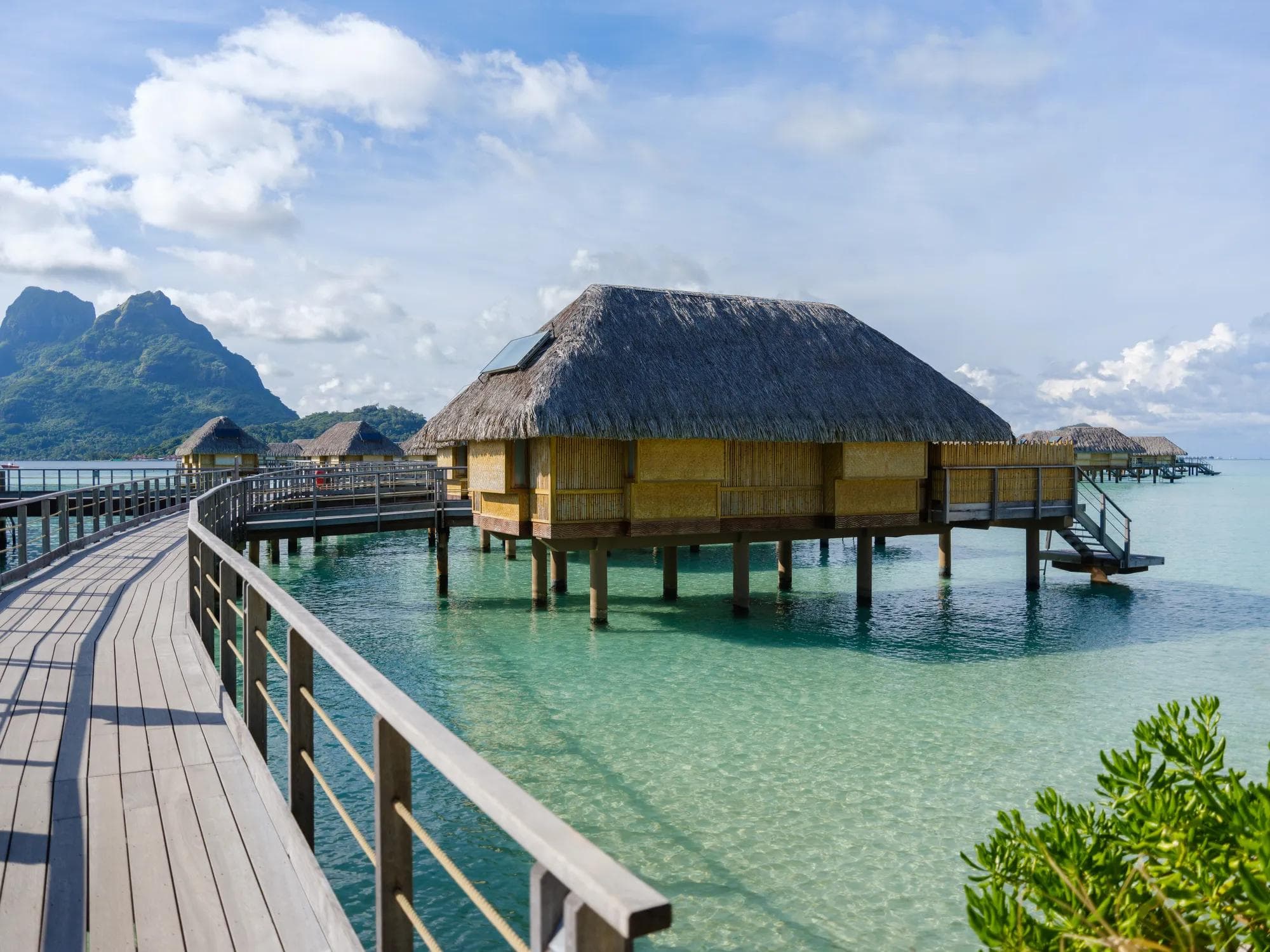
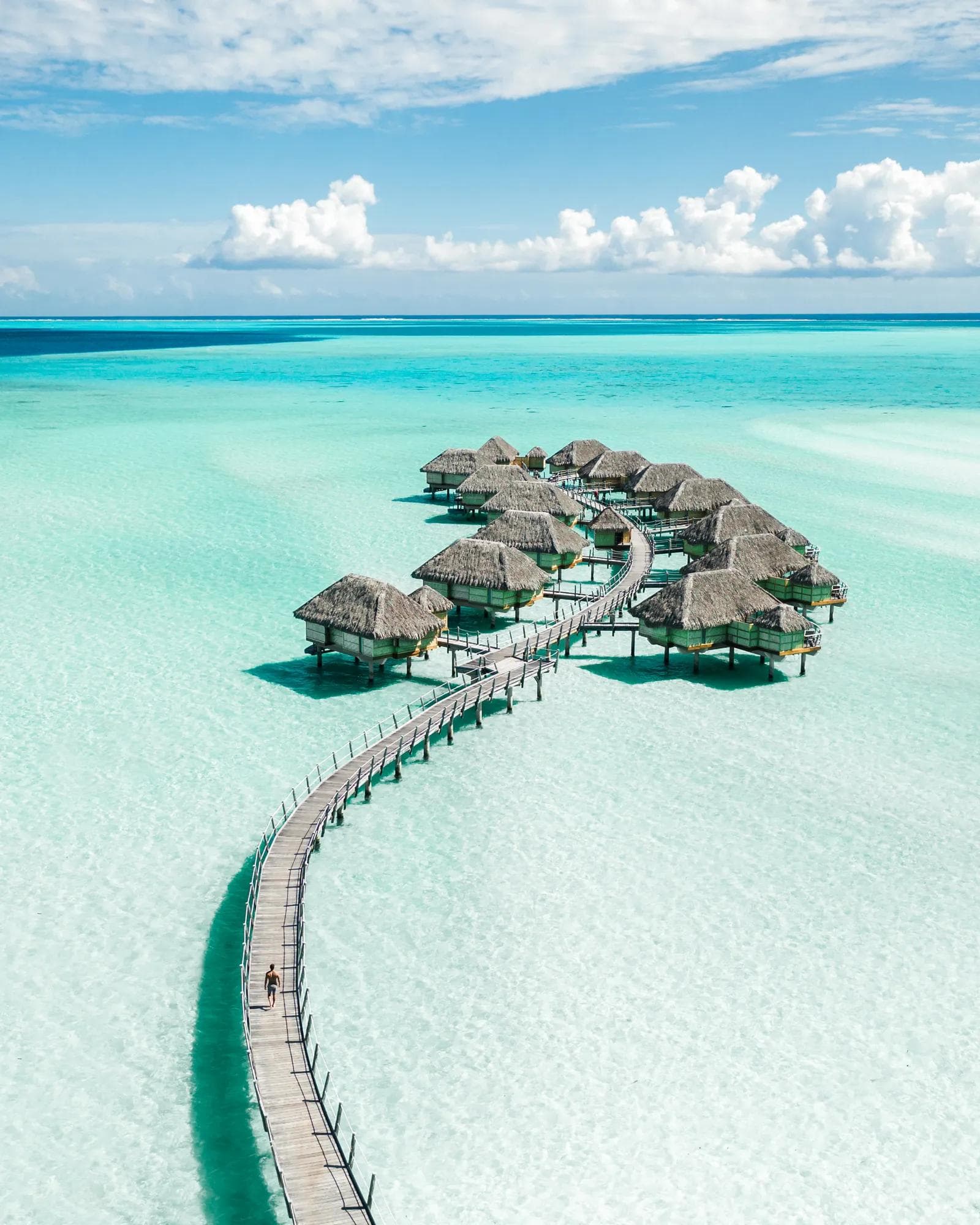
Whether built over the water or on the white sands of Motu Tevairoa, each of the 106 rooms at Le Bora Bora is topped with a roof made with pandanus. This plant fiber, traditionally used in Polynesia to build fare (houses), enables air to circulate within the dwelling and serves as insulation against the tropical rains. It is also the leaf typically used to weave the hats, baskets, and peue (large square or round floor mats), which are a point of pride for women involved in Polynesian craftsmanship. Although weaving originated in the Austral Islands–legends tell of a certain Hina, a wild woman who lived in a cave filled with her woven creations–it quickly spread throughout Polynesia in the hands of women who gained independence by selling the fruit of their labors. They exported their goods to Papeete market on Tahiti, where you can still see their descendants weaving at stalls today. In Bora Bora, everyone is welcome to learn this ancient craft, weaving their own baskets or hats in tribute to the women of the Australs, in addition to getting to know the island through fishing, whale watching, and diving excursions.
Trust in the stars
LE TAHA’A BY PEARL RESORTS, Patio-Taha’a, French Polynesia
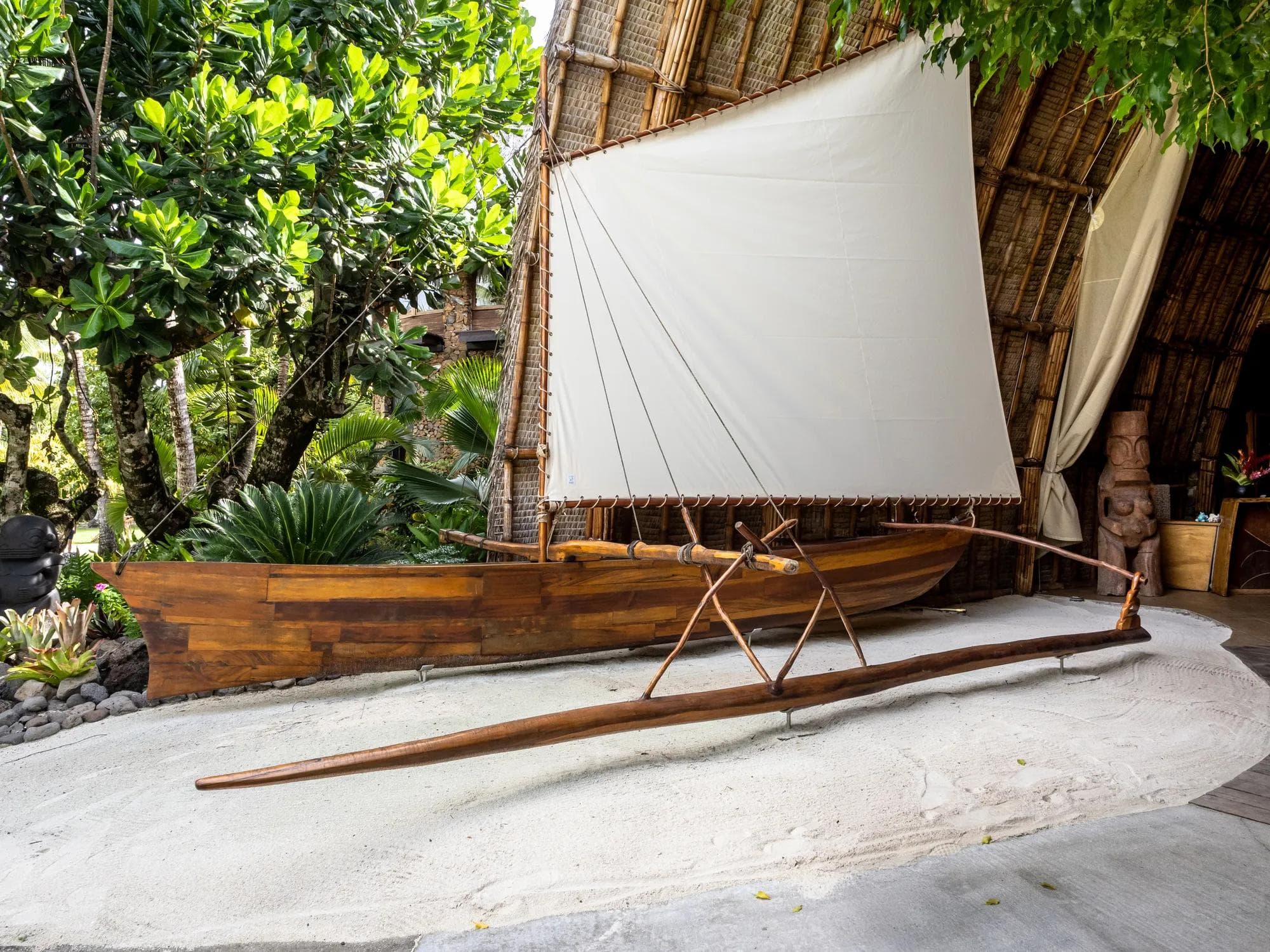
In the early morning, paddles slipping into the water make a soothing sound as a canoe delivers breakfast to Le Taha’a’s dreamy over-water bungalows. The craft cuts through the turquoise waters of the lagoon, laden with flowers and fruit, a picturesque reminder of the ancient rituals that founded Polynesian culture. A quintessential seafaring people, the Polynesians were the first to traverse the waters from Southeast Asia to Easter Island, some 3,500 years ago. With their thorough knowledge of the stars, based on careful observations imbued with spirituality, the Maohi began navigating the world’s largest ocean at a time when Western sailors had yet to venture far from their own shorelines. This spirit of adventure was paired with engineering skills that enabled them to construct sturdy vessels for voyages that would stretch over thousands of miles on the high seas. These ancestors of today’s canoes were crafted from a mix of bone, shark skin, fiber, coral, and wood. The model displayed at the entrance of Le Taha’a represents this knowledge, craftsmanship, and fearlessness.
25 November 2025
Mentioned in this article

